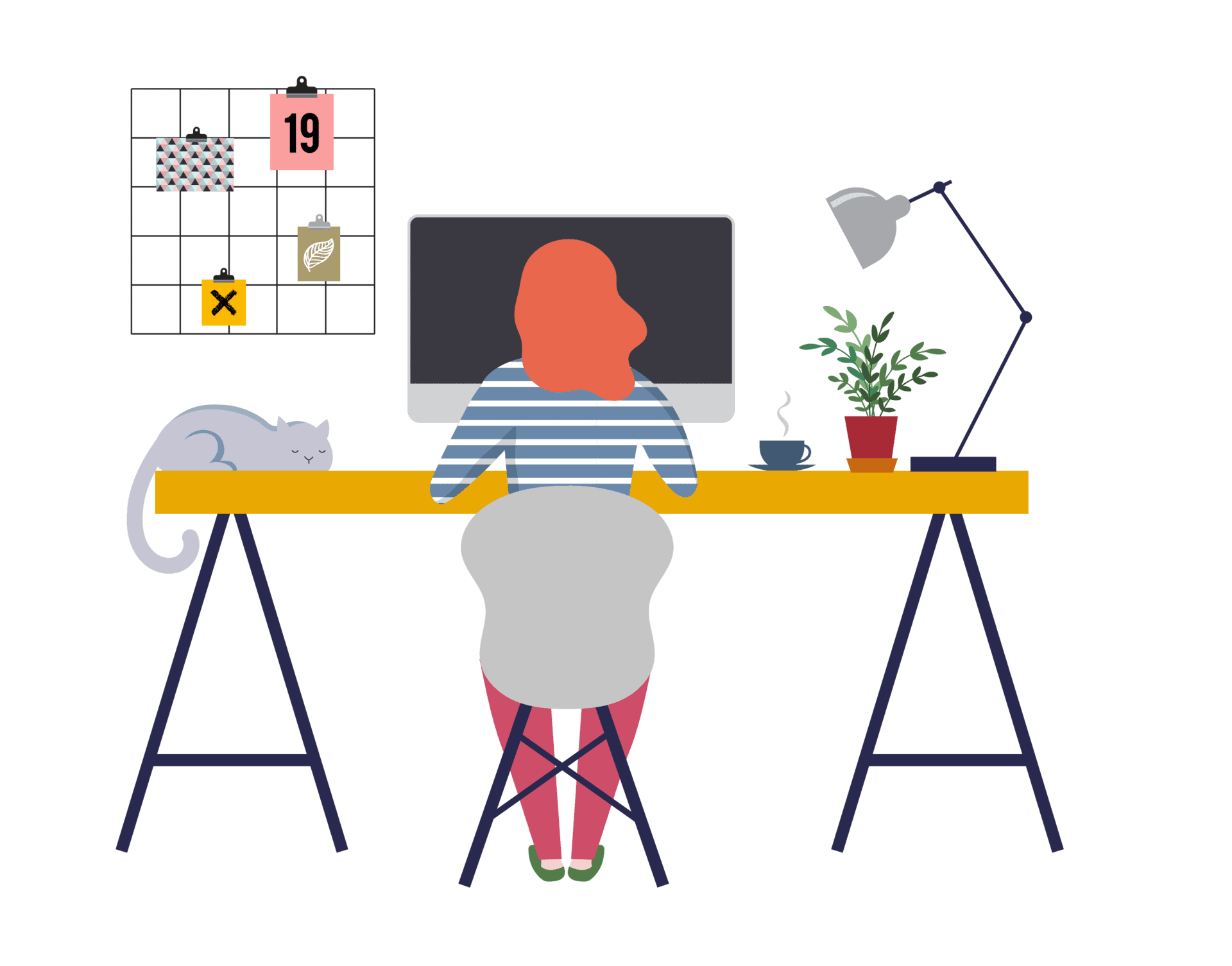

It’s 9am. You sit down at your desk knowing that today is the day you’re finally going to work on The Thing.
It’s different for each of us but everyone has a “Thing” that needs to get done as soon as possible.
The product photos that need updating. The email sequence you’ve been meaning to write. The wholesale pitch you keep pushing to next week.
But before you start, you think: “I’ll just quickly check my emails and DMs”
Two hours later, you’ve replied to a customer asking about shipping times, read three newsletters from other makers, clicked through to someone’s new course that looks interesting, added two items to a mental list of things you “should probably look into,” and opened seventeen browser tabs.
But The Thing is still sitting there. Untouched. And now you’re also worrying that maybe you should be doing something differently with your Instagram strategy, because that email you just read said the old way doesn’t work any more
Sound familiar?
This isn’t a motivation problem, even though it feels like one. And it’s not really a procrastination problem either, even though it looks like one.
It’s a problem caused by starting your day with reactive work.
And recognising why it happens is the first step to fixing it.
Why This Keeps Happening
There are two things going on here, and if you want to break the cycle, you need to address both of them.
The first problem: The Thing you need to do feels overwhelming.
It’s too big. Too important. Too confusing. You sit down knowing you “should” work on it, but you don’t know where to start, or you’re worried about getting it wrong, or it just feels like too much for a Tuesday morning.
The second problem: when you feel overwhelmed, you go somewhere you’ll be distracted.
Your inbox. Instagram. Etsy. Somewhere full of small, easy, clearly defined things that you can do for other people. Things that make you feel needed and productive, without requiring you to face the big scary task.
And these two problems feed each other. The more overwhelmed you feel, the more likely you are to seek distraction. The more time you spend distracted, the more overwhelming the original task becomes.
It’s a loop. And it’s a hard one to break, because by the time you realise you’re in it, you’ve already lost your best working hours to other people’s priorities.
So if we want to get a better outcome, we need to change both of these things.
We need to make the important work feel less overwhelming AND we need to make a conscious effort to stop going to distracting places before we’ve achieved anything today.
Small Changes, Consistently Applied
But changing it is hard. Because the current patterns are deeply ingrained. You’ve probably been starting your day with email for years. It feels normal. Habitual, even. And breaking that habit takes more than just deciding to do it differently.
Which is why the changes have to start small.
That timeblocking calendar you set up in a burst of frustration one day isn’t going to be what finally changes things. It’s too big. Too much all at once.
But small incremental habit changes, stacked one ontop of the other? That builds up quickly.
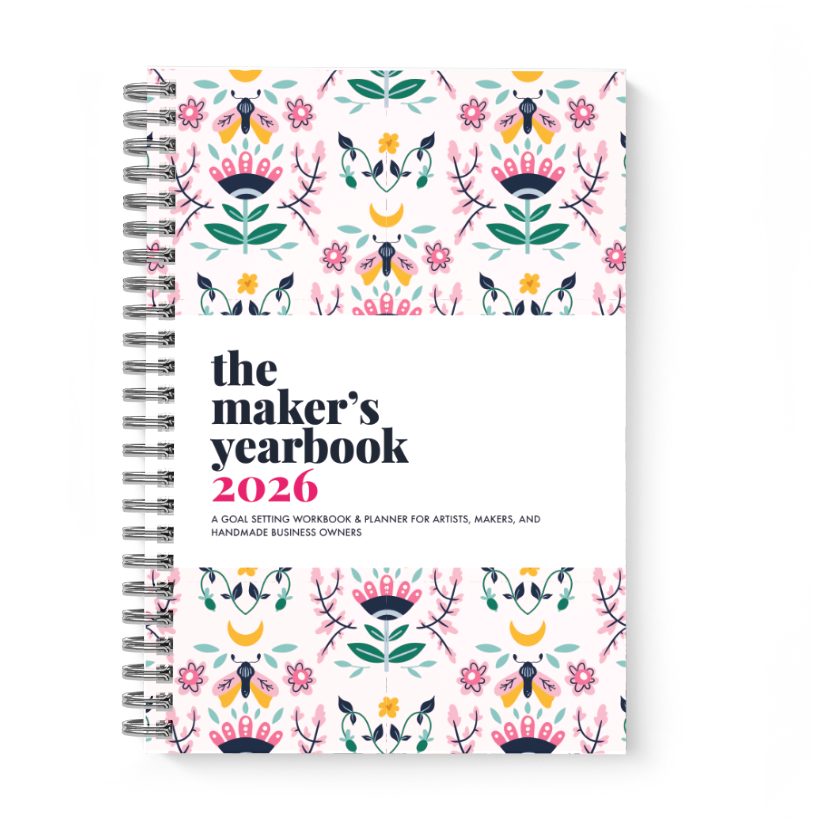
And this is what the Maker’s Yearbook does really well. It trains you to make small changes in the way you work – and they add up to more mental space to do the important stuff.
Like choosing three most important tasks a day, and doing them before your inbox (or anything else) hijacks your attention.
Or making one of your daily tasks something that moves you closer to a bigger goal, even if it’s just fifteen minutes of progress.
These aren’t dramatic changes. They won’t make for an exciting Instagram post about your morning routine. But they work. Because they’re small and sustainable. And because they compound.
One day of doing your important work before checking email won’t transform your business.
But three months of it? Six months? A year? That’s hundreds of hours redirected from reactive busywork to actual progress.
THAT’s why the Maker’s Yearbook helps makers achieve their goals, not just write them down.
If this sounds like you
If you recognise yourself in any of this, here’s what I’d suggest.
First, get clear on what you’re actually trying to do. Make it simple. What’s the one thing that, if you made progress on it this month, would actually move your business forward?
Second, make the daily task small, and specific. “Work on my email welcome sequence” is so vague that you’ll waste time trying to figure out where to get started – and probably end up on Instagram.
“Write the first paragraph of email one.” “Brainstorm five subject lines.” “Find two examples of sequences I like.” These are small and specific so you know exactly what you’re sitting down to do.
Third, protect the first part of your day. This is where the real shift happens. Before you open your inbox, before you check your messages, before you do anything reactive, do your three most important tasks. And if that’s too much, just do one of them. It doesn’t have to take long. But it has to come first.
This is the core of the system I use in The Maker’s Yearbook: three most important tasks each day, with at least one connected to your monthly goal, completed before you get pulled into everything else.
It sounds simple because it is. But simple isn’t the same as easy. It takes practice. It takes a system that reminds you what you’re supposed to be doing.
And it takes a little bit of hope, to believe that small, boring, incremental progress is actually the thing that works.
The Compound Effect of Doing The Right Things
Here’s what I want you to take away from this:
Your annual goals matter. Your big vision matters. But they don’t happen because you set them. They happen because of what you do on a random Tuesday in March. A quiet Thursday in September. An ordinary Monday when nobody’s watching.
The makers I see making real progress aren’t the ones who’ve got it all figured out. They’re the ones who’ve prioritised doing a little bit of the right work, most days, without relying on motivation or willpower.
That’s it. That’s the secret. Small changes to how you work, applied consistently, until they become your new normal.
It’s not exciting. But it’s real.
And if you want some help building that into your days, The Maker’s Yearbook is designed to do exactly that. Not with complicated systems or overwhelming planning. Just a simple daily practice of choosing what matters, doing it first, and tracking your progress month by month.
You don’t need to wait for January. You can start today.
Click here to find out more about the Maker’s Yearbook
If you already have a planner you love
The Maker’s Yearbook includes both the system and the physical planner to use it in. But if you’ve already got a planner that works for you and you just want to learn the system itself, my course Peaceful and Practical Planning teaches the same approach. You’ll learn how to set meaningful goals and build the time to work on them into your daily, weekly and monthly plans, using whatever tools you already have.
Click here to find out more about Peaceful and Practical Planning